Pavement display permits for Cricklewood flowers what to know
Posted on 17/09/2026
If you run a florist or manage a flower shop in Cricklewood, the space just outside your door can be a quiet little sales machine. A neat pavement display catches the eye, brightens the street, and helps people decide in the moment. But it also brings rules, permissions, and a few practical headaches if you get it wrong. This guide on Pavement display permits for Cricklewood flowers what to know breaks the subject down in plain English, so you can understand what matters, what to check, and how to approach it sensibly.
Truth be told, many traders only think about pavement displays when a problem appears: a complaint, a missing permit, a display that blocks the path, or an awkward conversation with enforcement. Better to sort the basics early. You will find the main points here: why the permit matters, how the process usually works, the benefits for a florist, common mistakes, compliance expectations, and a practical checklist you can actually use.
For readers comparing delivery options alongside local retail presence, it can also help to look at services such as flower delivery in Cricklewood NW2 and flower shops in Cricklewood NW2, because many customers move between browsing on the pavement and ordering for delivery in the same visit.
Expert summary: a pavement display can be a valuable part of a florist's local presence, but it only works properly when the display is safe, tidy, proportionate, and permitted where required. The best results usually come from treating it as part merchandising, part public-space responsibility.
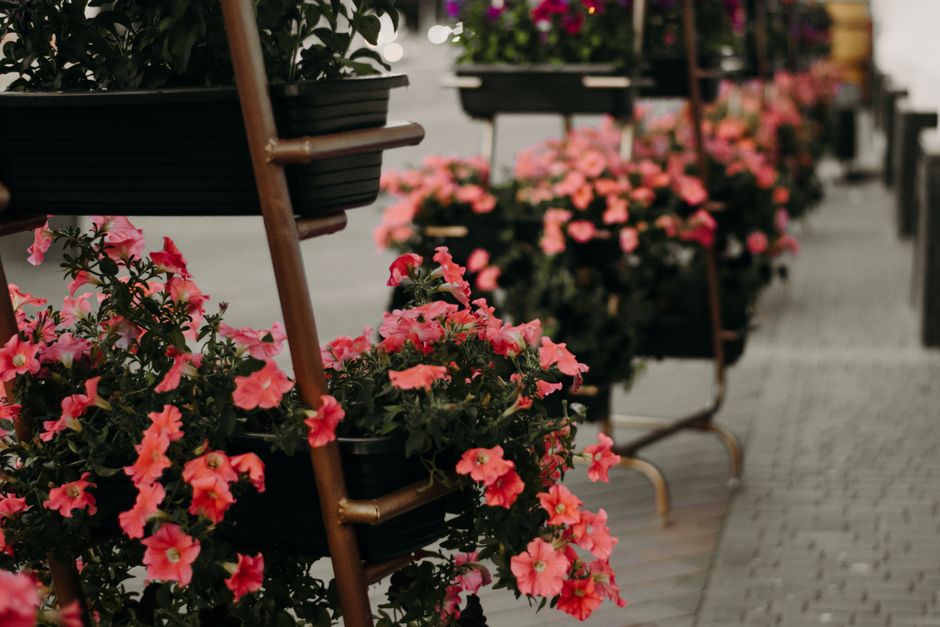
Table of Contents
- Why pavement display permits matter
- How the permit process usually works
- Key benefits and practical advantages
- Who this is for and when it makes sense
- Step-by-step guidance
- Expert tips for better results
- Common mistakes to avoid
- Tools, resources and recommendations
- Law, compliance, standards, or best practice
- Options, methods, or comparison table
- Case study or real-world example
- Practical checklist
- Conclusion
- Frequently asked questions
Why Pavement display permits for Cricklewood flowers what to know Matters
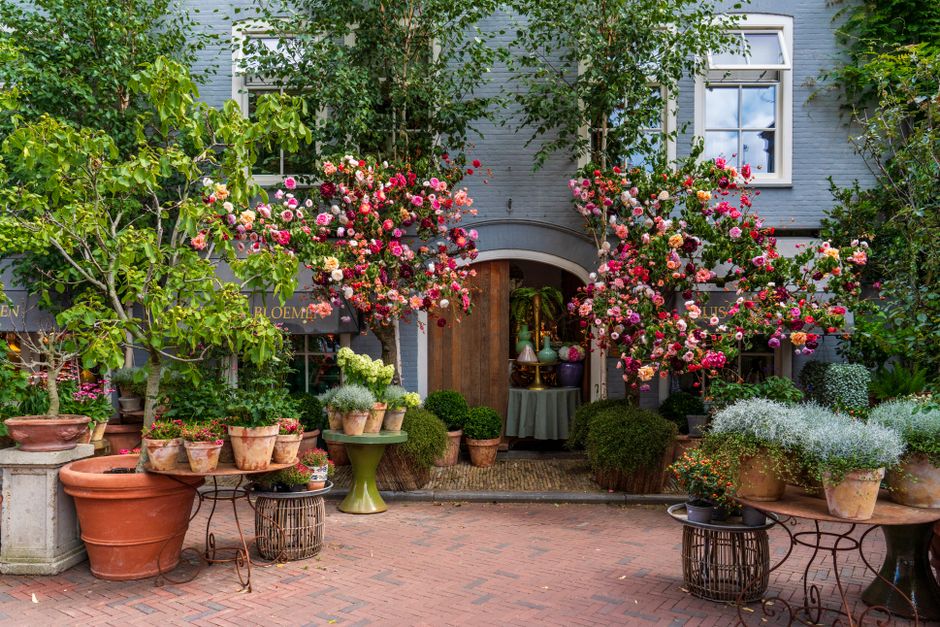
A pavement display is not just a decorative extra. For a florist, it can be one of the most effective ways to turn passing footfall into sales. People walking past on a busy street often make quick decisions. A well-arranged bucket of seasonal stems, a crisp "today's special" sign, or a row of ready-made bouquets can stop someone for ten seconds. Sometimes that is all you get.
That ten seconds matters. In Cricklewood, where the street mix includes commuters, local residents, delivery drivers, and people doing a quick errand, the pavement display has to do several jobs at once. It needs to attract attention, stay tidy in changing weather, and not make the frontage feel cramped. And, of course, it has to stay on the right side of local rules.
This is where permits become important. A permit or licence, where required, is the difference between a display that feels like part of the street and one that becomes a problem. Councils and highway authorities are mainly concerned with safety, pedestrian movement, visibility, and public access. Fair enough, really. No one wants a gorgeous bouquet display creating an obstacle course for prams, wheelchairs, or hurried shoppers with umbrellas.
For Cricklewood flower businesses, the permit question also affects how confidently you can plan stock, design your frontage, and promote daily specials. If you are already arranging products such as best sellers or flowers in a vase, a compliant pavement display can give those items an extra push without needing to rely entirely on online browsing.
So the issue is not merely "can I put flowers outside?" The better question is: how do I do it safely, legally, and profitably?
How Pavement display permits for Cricklewood flowers what to know Works
While exact rules depend on the local authority and the specific street, the basic idea is usually straightforward. If you want to place goods, stands, pots, A-boards, racks, or other promotional items on the public highway or pavement, you may need permission. In many places, that permission is tied to a licence or permit with conditions attached.
For florists, the typical process often follows a similar pattern, even if the local detail differs. You identify the space you want to use, check whether it is public or private, confirm whether a permit is needed, and then agree to conditions covering size, placement, safety, and cleanup. Sometimes the application is simple. Sometimes it is not. Sometimes the paperwork is the easy part and the frontage design is the hard bit. Let's face it, flowers look effortless only after a lot of arranging.
What the permit usually controls
A pavement display permit often focuses on practical issues such as:
- how much pavement space can be used
- where the display can sit relative to the shopfront
- minimum clear width for pedestrians
- whether the display can include signs or only product
- hours of display, especially overnight storage
- wind, weather, and obstruction risk
- maintenance, litter, and trip hazards
Some councils are stricter about freestanding signs and crowding, while others are more flexible if the display is modest and well managed. The exact approach matters less than the principle: a flower display must support foot traffic, not fight with it.
How a florist display is usually assessed
In practice, someone assessing your display will usually look at whether it feels orderly and whether a pedestrian can still move past comfortably. A display that is low, stable, and tucked close to the frontage tends to be easier to approve than a sprawl of mixed stands with loose buckets and a wobbly chalkboard sign. The street scene matters too. A narrow parade of shops will be treated differently from a wider frontage with more space to spare.
If you already stock seasonal ranges, the presentation can be planned around permit limits. For example, a compact display of summer flowers or a restrained mixed-colour stand from mixed colours often works better than trying to show everything at once. Too many choices outside can make the frontage feel messy. And messy rarely converts well.
Key Benefits and Practical Advantages
It is easy to see a permit as just another layer of administration, but there are real benefits to doing it properly. A compliant display supports your business in ways that go beyond avoiding trouble.
- Better visibility: flowers are visual products, and pavement placement helps them do the first job they were meant to do-get noticed.
- Improved impulse buying: people often buy flowers because they see them, not because they planned to.
- Stronger local identity: a tasteful display can make your shop feel like part of the street, not just another unit.
- Clearer brand presentation: your choice of colours, stems, and layout can reinforce your style.
- More walk-in traffic: a good display can bridge the gap between online intent and in-person purchase.
- Lower friction with authorities: a permitted setup is easier to defend if anyone queries it.
There is also a subtle customer-trust effect. When a display looks controlled and cared for, people assume the same about the flowers inside. That sounds small, but it matters. A neat row of roses outside can say more than a thousand words about how you handle quality inside the shop.
For shops that already sell through local delivery, a pavement display can act like a live catalogue. People see what is fresh today, then order for later or ask for same-day service. If that is part of your offer, you may want to feature easy links to same-day flower delivery in Cricklewood NW2 or next-day flower delivery in Cricklewood NW2 so customers can move from browsing to buying without confusion.
Who This Is For and When It Makes Sense
This topic is most relevant for independent florists, flower shops, traders with a street-facing unit, and anyone thinking about placing flower stock or promotional material on the pavement. If your business depends on passing trade, a display can be a smart move. If you are tucked away inside a covered arcade or on private land, the question may be different. A bit less glamorous, but still important.
You are likely to need this if you:
- run a florist with frontage onto a public pavement
- want to place bouquets, buckets, baskets, or signs outside
- use the pavement to showcase daily specials or seasonal ranges
- trade in an area with steady footfall and narrow walkways
- want to reduce reliance on posters and indoor-only selling
- need a more visible presence for walk-in customers
It also makes sense if you are testing a new retail concept. A small display can act like a low-risk way to see what customers respond to. Do they stop for rose-heavy arrangements, soft pastels, or brighter mixed stems? Do they respond better to price-led offers or premium bundles? You will notice these patterns pretty quickly when people are passing within arm's reach.
That said, a pavement display is not the answer for every florist. If your frontage is already tight, if the street is heavily congested, or if the local permission process would make the setup impractical, it may be better to focus on window merchandising and delivery-first selling. There is no shame in that. Sometimes restraint is the smarter retail move.
Step-by-Step Guidance
Here is a practical way to approach pavement display permits without getting tangled in it.
1. Check whether the display area is public or private
This sounds obvious, but it is the first point people muddle. A pavement or highway in front of the shop is often public space, even if it feels like part of your frontage. If the area is private land, the permission question may be different, but you still need to think about access, safety, and lease or landlord rules.
2. Measure the space carefully
Do not guess. Use a tape measure and work out how much room you actually have once people, bins, door swings, and deliveries are considered. A display that looks "fine" when empty can become cramped fast once stock arrives. In the morning, it may feel spacious; by lunchtime, with passers-by and wheelie bins, not so much.
3. Sketch the layout before applying
Draw the display area and mark where items will sit. Include buckets, stands, barriers, and any signage. A simple sketch can help you think through what needs to be seen from a distance and what needs to stay close to the wall.
4. Keep the display compact and stable
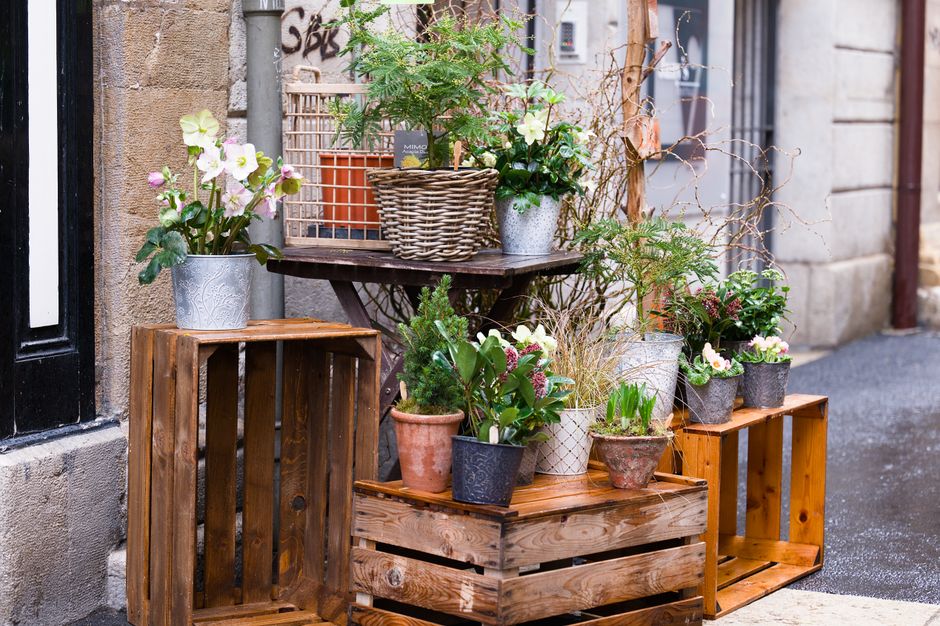
The best pavement displays are tidy, low enough to avoid wind trouble, and arranged so they do not wobble or spread out. Flowers are forgiving. Buckets on flimsy bases are not.
5. Think about weather and maintenance
Rain, heat, and gusty wind all change the picture. If the display sits outside for long periods, you need a plan for watering, sweeping away fallen petals, and storing items safely overnight. Cricklewood weather can be a bit all over the place, to be honest.
6. Prepare any supporting information
Depending on the authority or landlord, you may be asked for details about your frontage, the type of display, hours of use, and safety measures. Having this ready makes you look organised and saves back-and-forth.
7. Apply and wait for conditions
Once a permit is issued, read the conditions properly. People often skim this bit and then get caught by the boring details. The boring details are usually where the risk lives.
8. Review the setup regularly
What works in spring may not work in winter. Keep checking whether the display still meets the conditions and whether it still makes commercial sense.
Expert Tips for Better Results
In our experience, the best pavement displays are the ones that feel deliberate, not packed. You are trying to create a moment of interest, not recreate the whole shop on the sidewalk.
Use a small number of strong focal points
Instead of scattering lots of small items, choose a few products that carry the display. For example, a basket of baskets and posies can create a softer, more giftable feel than a messy spread of mixed stock.
Match the display to the time of day
Morning commuters respond differently from afternoon shoppers. Early in the day, practical bouquets and "ready now" options can work well. Later on, romantic or celebratory options may get more attention. A short seasonal adjustment goes a long way.
Make prices easy to understand
If you use price points outside, keep them simple and readable. Confusing pricing does not help. People like to know whether they are looking at a small treat or a premium gift.
Keep colours intentional
Too many colours at once can make the frontage feel chaotic. A theme is often stronger. If you are building around soft tones, products from white or pink ranges can support a calm, elegant display. For higher-impact retail theatre, something bolder may fit better.
Think like a passer-by, not the florist
This is a big one. Shop owners know their range too well. Customers do not. They are scanning quickly while carrying bags, chatting, checking phones, or hurrying for the bus. Ask yourself: what will they understand in three seconds?
A slightly humorous truth: if your display needs a printed essay to explain it, it probably needs simplifying.
Common Mistakes to Avoid
Most issues with pavement displays come from a handful of avoidable mistakes. None of them are dramatic on their own, but together they can make a setup look sloppy or non-compliant.
- Blocking the pedestrian path: even a few extra inches can matter on a busy pavement.
- Using unstable stands: lightweight items can tip in wind or when brushed by passers-by.
- Overcrowding the frontage: more stock is not always better.
- Ignoring signage rules: a sign that looks harmless may still count as an obstruction.
- Leaving the display out overnight without permission: storage conditions often matter.
- Forgetting about drainage and mess: water spills, crushed leaves, and soil trails can become a nuisance.
- Not checking the latest conditions: a display that used to be acceptable may no longer be.
Another common slip is treating a pavement display as static. It is not static. It lives in weather, traffic, and human movement. It gets nudged by prams, it gets damp at 8 a.m., and it can look tired by late afternoon if nobody refreshes it. Small maintenance habits make a massive difference.
Tools, Resources and Recommendations
You do not need a complicated toolkit to manage a flower pavement display well. A few practical tools are enough.
- Tape measure: for checking width, depth, and spacing before applying or setting up.
- Stable containers: weighted buckets or sturdy planters reduce spill and tip risk.
- Weather protection: covers or storage solutions for days with strong wind or heavy rain.
- Simple signage: clear, readable, and not over-designed.
- Cleaning supplies: cloths, a brush, and water for quick touch-ups.
- Display checklist: a printed list for opening and closing routines.
For retailers who sell beyond walk-in traffic, it also helps to keep your customer journey consistent. A display outside can point to your broader offer, including send flowers in Cricklewood NW2 and a local florist in Cricklewood NW2, so shoppers understand that the shop can serve both immediate pickup and delivery needs.
Internal records matter too. Keep a note of your permit conditions, renewal dates, layout drawings, and any correspondence. Nothing fancy. A folder and a calendar reminder can save a lot of stress later.
Law, Compliance, Standards, or Best Practice
Because pavement displays involve public space, the main compliance focus is usually on access, safety, and permission. Exact legal duties can vary by local authority, but the broad best-practice approach is consistent across the UK: do not obstruct the highway, do not create a hazard, and do not assume a display is acceptable just because nobody complained yet.
Where permission is needed, follow the conditions exactly. That can include size limits, approved locations, display type, and operational hours. If your lease, landlord agreement, or business rates arrangement mentions external use, factor that in as well. Sometimes the council is only part of the picture.
For florists, compliance also overlaps with general trading standards and customer care expectations. Clear pricing, safe storage, tidy premises, and honest presentation all support trust. A flower display that looks fresh but hides a tripping risk is not a good trade-off. Neither is a beautiful board that blocks wheelchair access. You really do need both style and common sense here.
Best practice usually means:
- keeping a clear pedestrian route
- using stable, non-slip, weather-aware equipment
- removing damaged stock promptly
- storing displays safely when not in use
- checking conditions after any changes to the frontage
- training staff on what is allowed
If you are unsure, treat the uncertainty seriously rather than hoping it will sort itself out. That is how small issues become awkward ones.
Options, Methods, or Comparison Table
Different florists use different approaches outside the shop. The right choice depends on space, budget, and how much effort you want to put into daily setup.
| Display method | Best for | Pros | Watch-outs |
|---|---|---|---|
| Bucket display | Fresh cut stems and quick impulse buying | Flexible, colourful, easy to update | Can look messy if not arranged carefully |
| Single stand or easel | Promotions and daily offers | Simple, readable, compact | Limited product showcase space |
| Low table display | Gift bouquets and gift-led ranges | Neat, easy to browse, visually inviting | Needs good stability and weather care |
| Mixed frontage display | Shops with more pavement width | Can show range breadth | Higher risk of clutter and obstruction |
If you sell premium arrangements, a more curated look often helps. For example, a limited set of luxury flowers on a neat stand may feel more convincing than a crowded spread of everything in the shop. On the other hand, budget-led displays can work well for quick sales if the pricing is clear and the containers are clean.
Case Study or Real-World Example
Imagine a small Cricklewood florist on a busy local parade. The owner wants to add a pavement display because footfall has been decent but not always converted into walk-ins. At first, they place a few buckets, a chalkboard, and several smaller bunches all in one line. It looks cheerful enough at 9 a.m. By mid-afternoon, the display is a little tired, one bucket has drifted into the walking path, and a customer has to edge around it with a pram.
After that, the shop owner simplifies the setup. They cut the display down to three core pieces: a seasonal bouquet feature, a neat row of ready-made bunches, and one clear sign. They also keep a closer eye on watering and pull the display back a few inches from the footway edge. The whole frontage feels calmer. People can see what is on offer without thinking too hard. More importantly, it feels like a proper part of the street rather than an afterthought.
That is usually the shift that makes the difference. Not bigger. Better.
And if your shop also offers celebratory ranges, the display can point people to special occasions too. Something like birthday flowers or romance and love flowers can be promoted outside when the season or customer flow suits it. The main thing is to keep it obvious, tidy, and easy to buy from.
Practical Checklist
Use this as a quick pre-display check before you put anything on the pavement.
- Have I confirmed whether permission or a permit is required?
- Do I know exactly how much space I can use?
- Is the route for pedestrians still clear and comfortable?
- Are all stands, buckets, and signs stable?
- Is the display neat enough to look intentional, not crowded?
- Have I checked weather risks for today?
- Can the display be removed or stored quickly if needed?
- Are prices clear and easy to read?
- Does the display match the current stock and brand style?
- Have staff been told the do's and don'ts?
If you can answer yes to most of those, you are probably in decent shape. If not, slow down and adjust before opening up the frontage. A five-minute rethink can save a whole day of hassle.
Conclusion
Pavement display permits for Cricklewood flowers are not just about paperwork. They are about how your shop meets the street. Done well, a display helps people notice your flowers, trust your business, and step inside with a smile. Done badly, it can create clutter, complaints, and unnecessary risk.
The smart approach is simple: check the rules, measure carefully, design a compact display, and keep it fresh. Use the pavement as a calm invitation, not a sales battlefield. That mindset tends to work best in real life, and it usually looks better too.
Get a free quote today and see how much you can save.
Whether you are refining a small shopfront or planning a more visible local presence, a thoughtful display can make the whole business feel more alive. Little things count. In flowers, they really do.
Frequently Asked Questions
Do I need a permit to put flowers on the pavement in Cricklewood?
Often, yes, if the flowers or display items sit on public pavement or highway space. The exact requirement depends on the local authority, the frontage, and the type of display. It is best to check before setting anything out.
What counts as a pavement display?
It usually includes any flowers, buckets, stands, signs, or promotional items placed outside the shop on public ground. Even a small A-board or compact bouquet stand may count, depending on the rules.
Can I use the pavement without blocking it?
Sometimes a limited display is allowed if pedestrian access remains clear and the setup follows local conditions. The practical test is simple: can people pass comfortably, including wheelchairs and prams?
How do I make a flower display look professional?
Keep it compact, tidy, and intentional. Use a few strong focal products, stable containers, and simple signage. A clean look usually works better than trying to show everything at once.
What flowers work best for an outdoor display?
Hardy, fresh-looking stems and ready-made bunches often work well because they can handle frequent handling and changing weather better than more delicate pieces. Seasonal stock also tends to draw attention.
How often should I refresh the display?
As often as needed to keep it looking fresh. In busy periods, that might mean several times a day. In quieter periods, a daily reset may be enough. Weather and footfall both change the answer.
What happens if I put the display out without permission?
That can lead to complaints, enforcement action, or being asked to remove it. It is usually not worth the risk, especially when the business could lose goodwill over something preventable.
Can a pavement display help increase flower sales?
Yes, it often can. A visible display can attract impulse buyers, encourage walk-ins, and make it easier for customers to see what is available right now.
Should I include prices on the display?
In most cases, clear pricing helps. Customers like to know whether they are looking at a quick buy or a premium gift. Confusing price labels can slow sales down.
Is a pavement display better than window-only merchandising?
Not always. A pavement display can bring in passing trade, while a window display can create a more protected, polished look. Many florists use both, but the best option depends on space, compliance, and the style of the shop.
What if my shopfront is very narrow?
Then caution matters even more. A narrow frontage may make a pavement display impractical or limited. In that case, window presentation and delivery-led selling may be the safer choice.
Can I promote delivery services through the display?
Absolutely. A pavement display can encourage walk-in sales and also point customers towards delivery, same-day options, or occasion-based ordering. The display becomes part of a wider selling system rather than a one-off feature.